As plants go, carnivorous plants are in a world all their own. Unlike most houseplants that spend their days mildly soaking up energy and nutrients from the sun and soil, carnivorous plants lure, grab, and digest actual insects. They’re some of the most exciting and rewarding plants you can add to your collection.
And surprisingly, carnivorous plants aren’t that difficult to nurture either – but they do play by their own rules. They’ll stretch your understanding of what it means to care for a houseplant as you enjoy the weird and wonderful things they do. Here, we share a few of our favorites – what makes them so unusual and how best to keep them healthy.
Carnivorous plants have developed some positively animal-like strategies to survive in environments where most plants can’t. Their native habitats are boggy, swampy places where the soil is consistently wet, slightly acidic, and very poor in nutrients – especially nitrogen. To get the nutrition they need, carnivorous plants may trap, grab, or even drown other living things – mostly insects – and then digest them with special enzymes or bacteria.
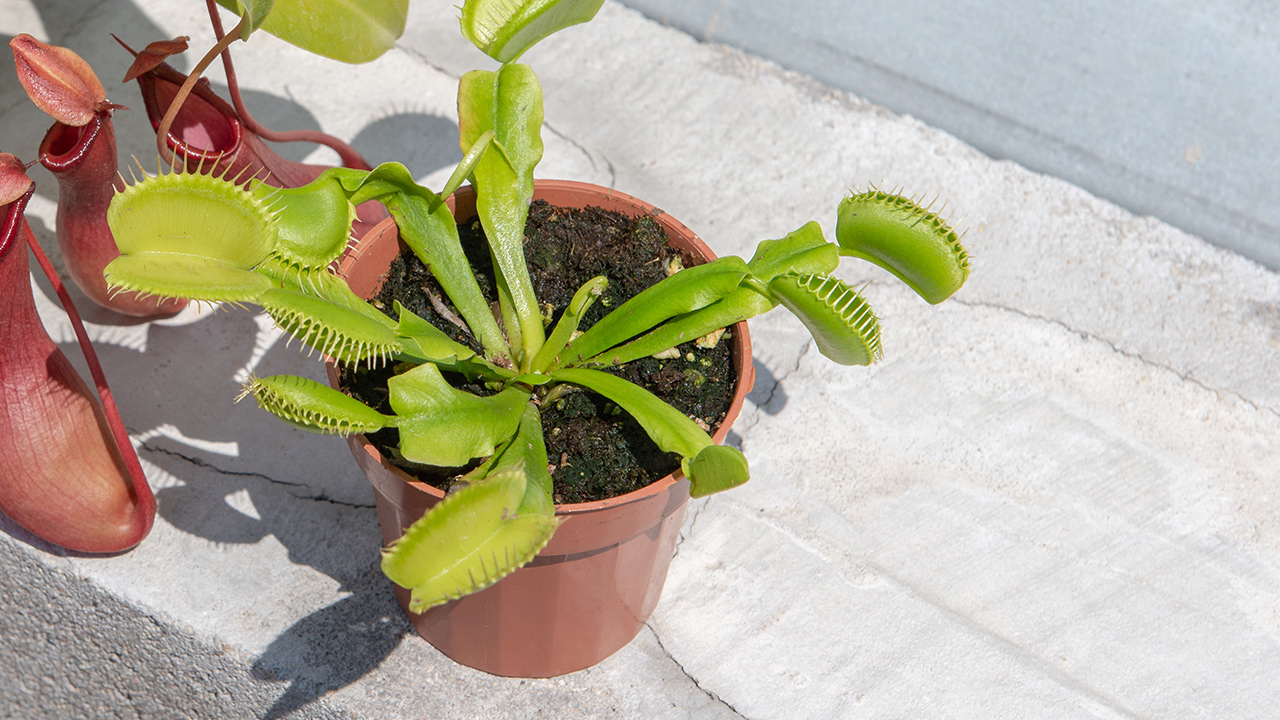
As the name implies, the Venus flytrap, Dionaea muscipula, uses inviting colors to lure unsuspecting insects close enough to trap them in its jaw-like leaf structure. After just a couple of tickles from the insect, the trap snaps closed in less than a second, holding the insect inside while the plant digests it. Although the Venus flytrap appears exotic and otherworldly, it’s actually native to the eastern parts of the United States.
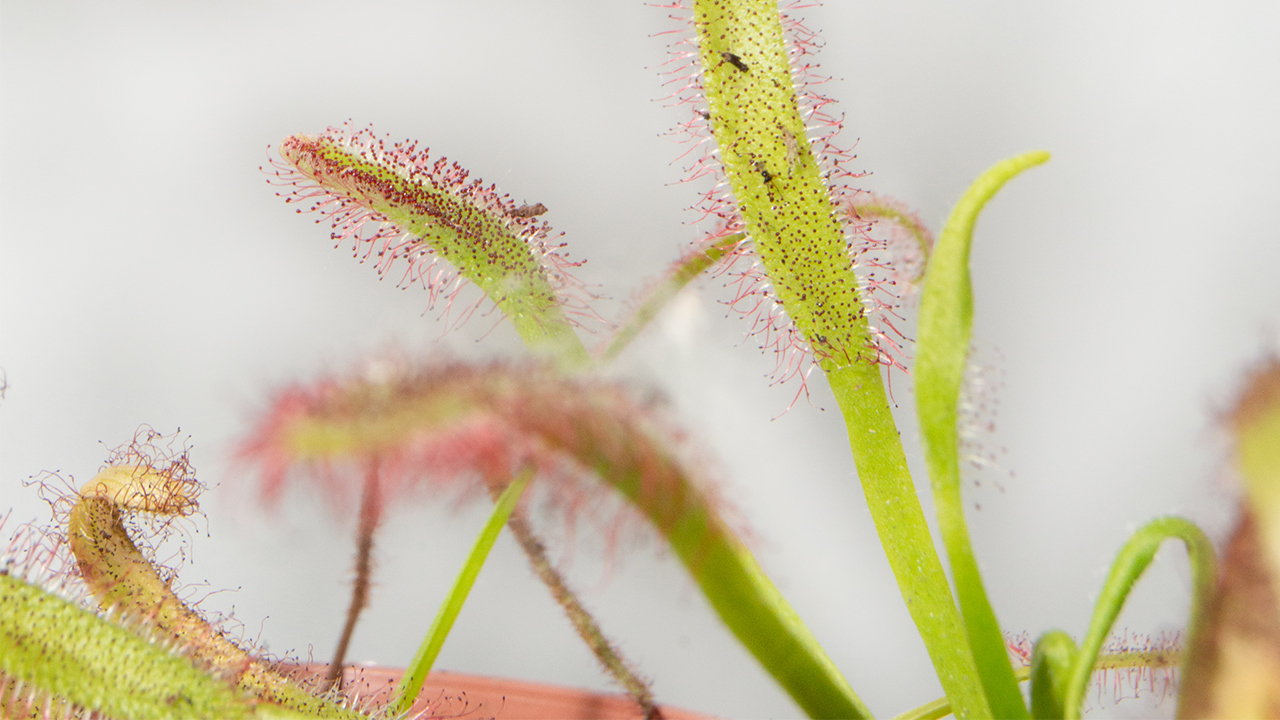
Sundews belong to the genus Drosera, which contains about 200 species and can be found everywhere on Earth except Antarctica. These uncommon houseplants are also known as octopus plants because, rather than setting traps, they use dozens of tentacle-like extensions – each with a sticky, attractively sweet drop of fluid on top – to grab and hold passing insects. Special enzymes then break down the insect into elemental nutrients that the plant can use.
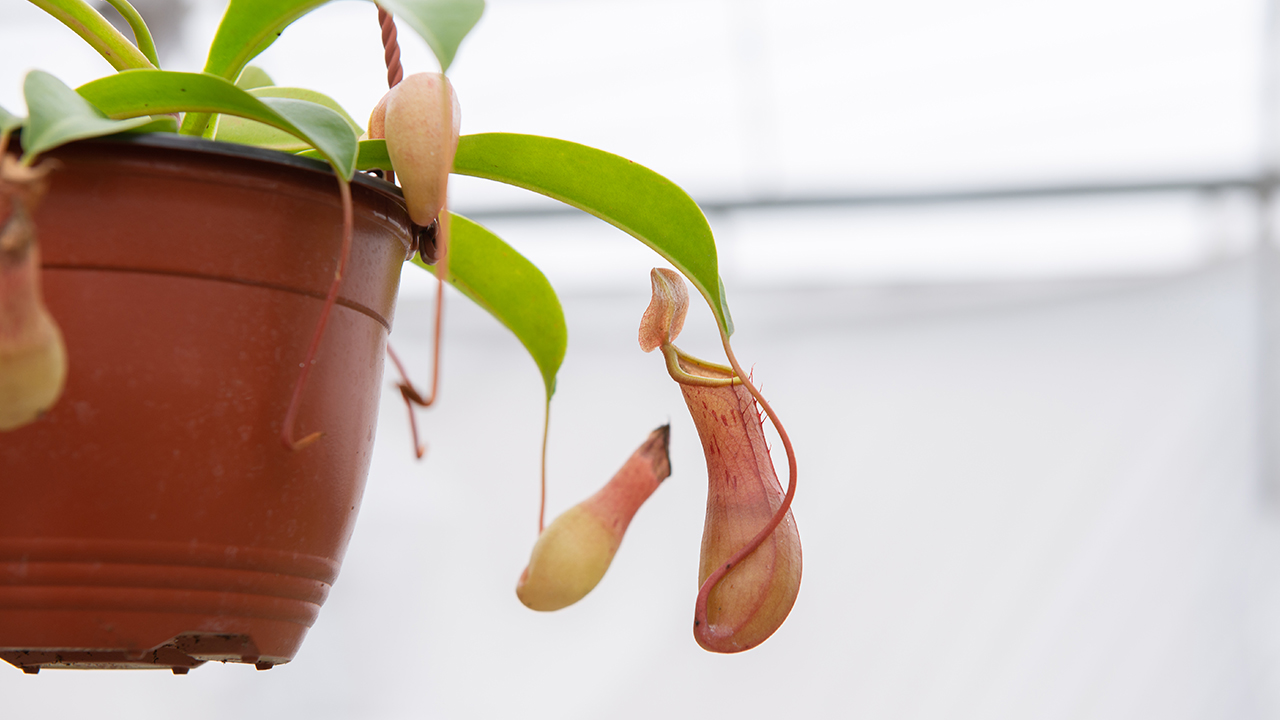
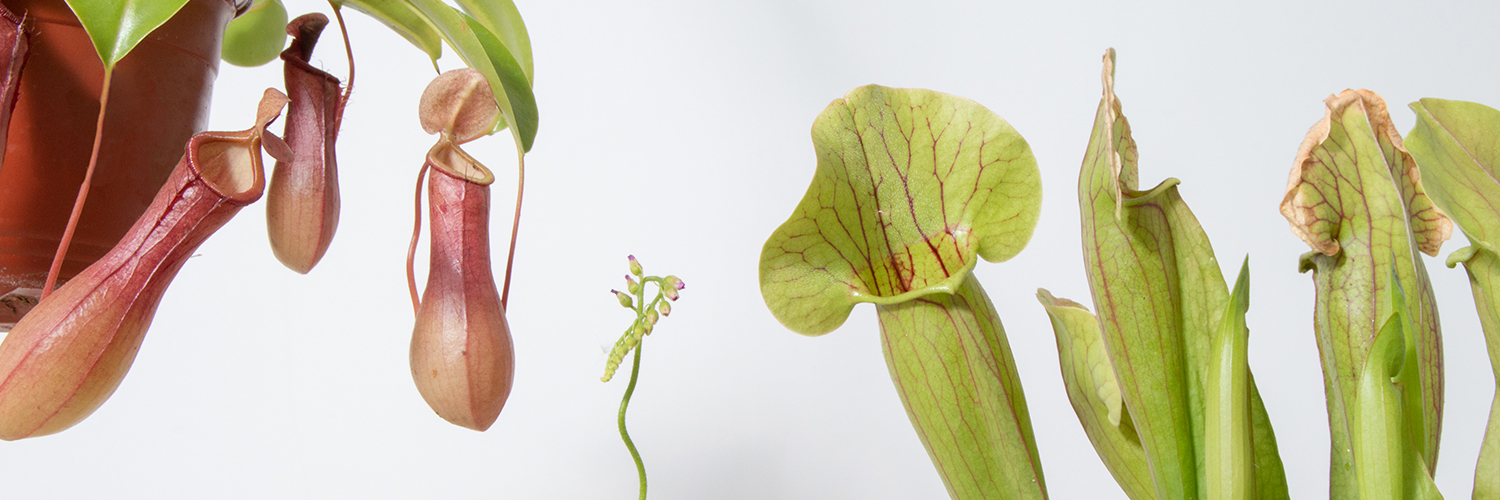
And some carnivorous plants are more passive in their hunt. In the Greenhouse, we currently have two different genera of pitcher plant – Nepenthes and Sarracenia. Species in these groups use modified, cup-shaped leaves to hold a small pool of liquid laden with digestive enzymes. Sweet nectar and pretty colors lure insects to the slippery edge of the cup – then it’s a surprising tumble into the pool where they drown and are slowly digested.
Carnivorous plants are so strange. And caring for them requires a plant parent to break the usual rules for houseplant care. It’s not necessarily hard to nurture carnivorous plants – it’s just completely different.
For example, unlike most indoor foliage plants, carnivorous plants love lots of very bright, direct sunlight. Sitting right in a south-facing window is ideal, rather than the “bright, indirect” light most houseplants prefer. And because they’re adapted to living in boggy swamps, carnivorous plants do best when their pots sit in a little water at all times so their soil stays constantly wet. Carnivorous plants won’t thrive in a typical professional potting soil either. Instead, they need a loose, moisture-holding mix that contains fine bark or sphagnum peat moss, plus horticultural sand or perlite.
Carnivorous plants also like a lot of humidity, so if you’re thinking of building a closed or semi-open terrarium, they’d love to live there.
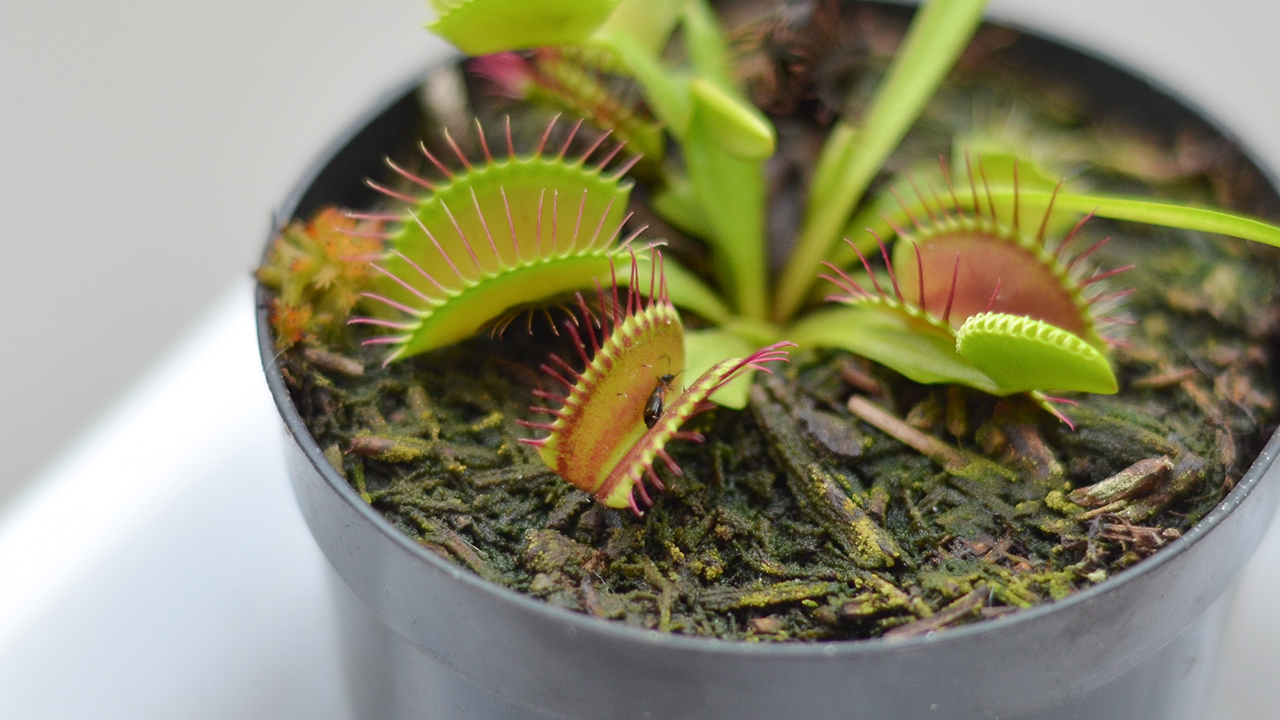
One of the main attractions of owning a carnivorous plant is the opportunity to watch it eat its prey, but restraint is important. Carnivorous plants do rely on trapped insects for some of their nutrition, but it takes surprisingly little of this to keep them happy. For the most part, your carnivorous plant will find plenty of insect meals, just catching the occasional gnat, mosquito, or housefly. They’re also used to nutrient-poor soil, so regular plant fertilizer is not only unnecessary, it can be harmful.
If you do choose to occasionally feed your carnivorous plant, only offer insects similar to what they would find in the wild. Human food, like hamburger or chicken, won’t digest well. Catch your own insects or try small, dried insects from the pet store – mealworms, bloodworms, and crickets are great options. If you’re feeding a Venus fly trap, use a small insect – only a third of the size of the trap – so the plant can digest the entire meal before it decays inside the trap.
And although it’s tempting, avoid irritating your carnivorous plant just to see it move with no promise of a meal in return. It takes a lot of energy to close a trap or move tentacles, and teasing can exhaust your little carnivore.
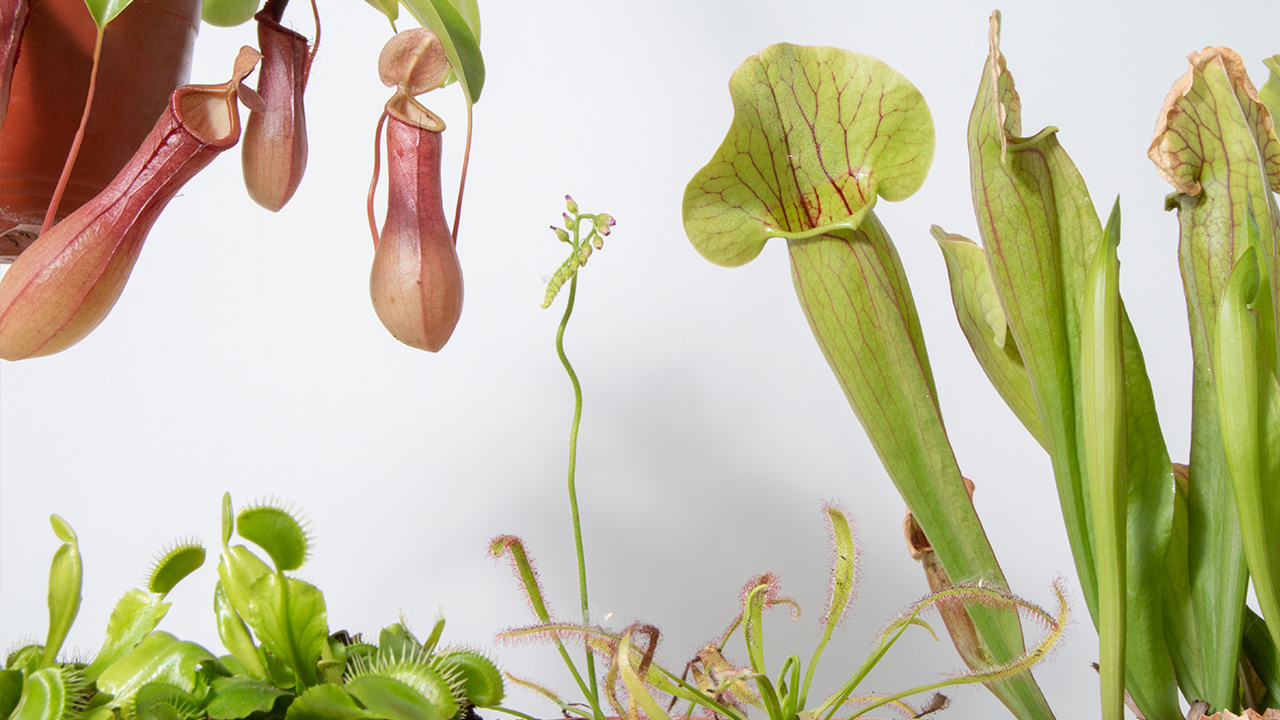
If you’ve mastered the foliage houseplants and you’re ready to try something a little weird, carnivorous plants are the perfect choice. Stop by the Greenhouse and explore our current collection of bug-eating plants. We’re happy to help you find the perfect one to take home and answer any questions about this weird and wonderful group.