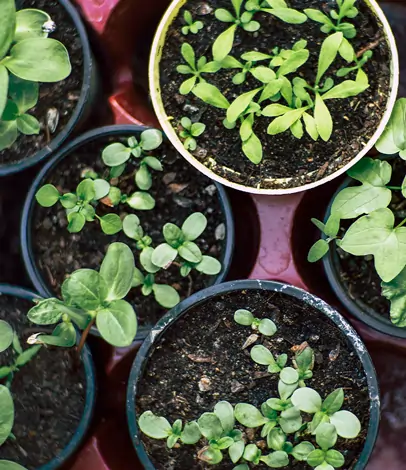
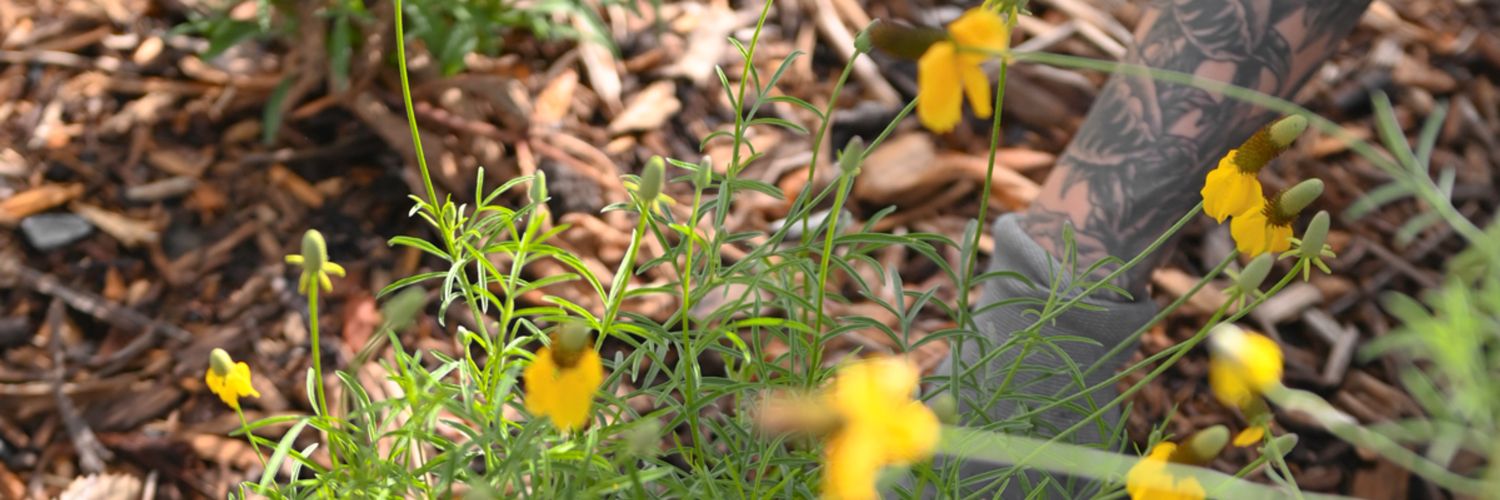
As the ground begins to thaw and the last frost date approaches (typically around mid to late April), spring planting in Omaha takes center stage.
What to Plant:
Start with cool-season vegetables like peas, lettuce, spinach, and radishes. These can be planted as soon as the soil is workable. Perennials, shrubs, and native flowers like coneflowers, milkweed, and black-eyed Susans also do well when planted early in the season.
When to Plant:
The best time to plant in Omaha depends on what you’re planting. Hardy perennials and cold-tolerant veggies can go in early spring. Wait until after the last frost to plant tender annuals and warm-season vegetables like tomatoes and peppers.
Soil Prep:
Healthy soil is the foundation of a successful garden. Mix in compost or organic matter to improve structure and nutrient content. Use a soil test to determine if amendments are needed – especially for new beds.
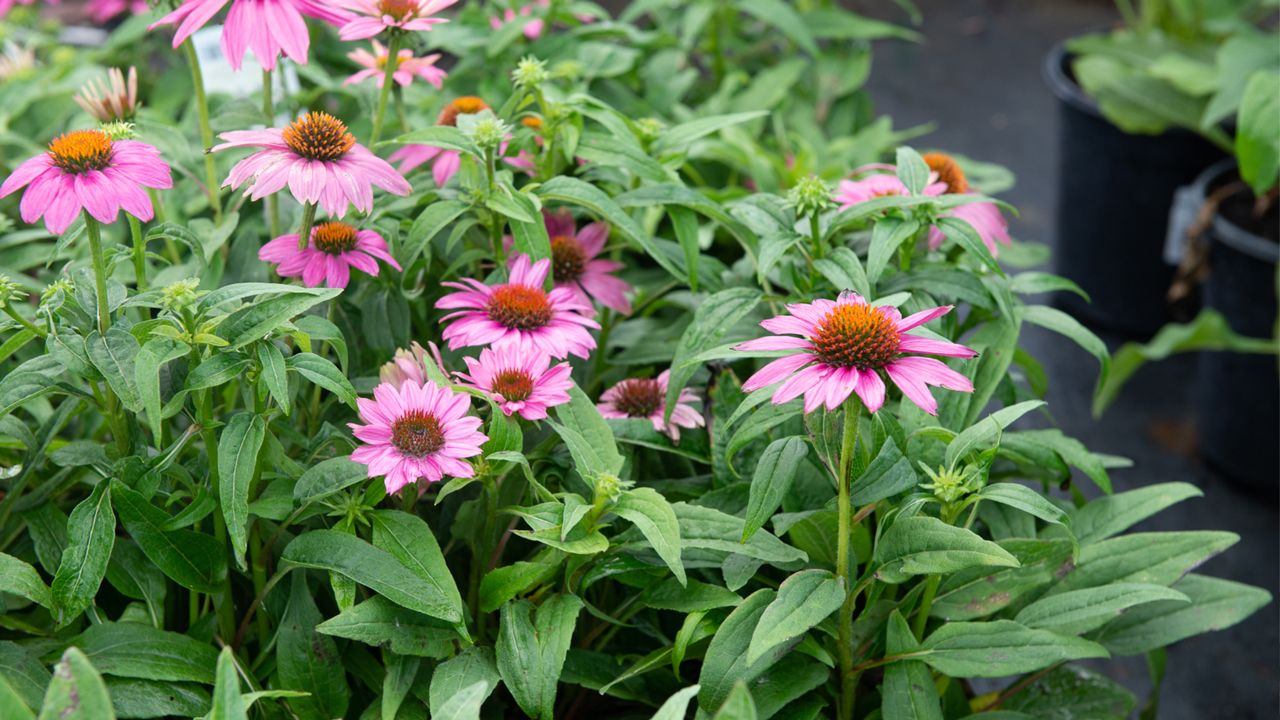
By the time summer arrives, Omaha gardeners are contending with long daylight hours, high temperatures, and sometimes, weeks without rain.
What to Grow:
Opt for heat-loving annuals and vegetables like zinnias, marigolds, okra, peppers, and sweet potatoes. These thrive in full sun and warm soil.
Watering + Mulching:
Follow the Omaha gardening calendar to stay ahead of dry spells. Early morning watering is ideal – deep and infrequent is better than shallow and daily. A 2–3 inch layer of mulch helps retain moisture, suppress weeds, and regulate soil temperature.
Pest + Heat Management:
Keep an eye out for aphids, spider mites, and Japanese beetles – especially during hot, dry weeks. Shade cloth or strategically placed taller plants can offer relief to sensitive crops.
These seasonal gardening tips help Nebraska gardeners keep their spaces vibrant, even in midsummer heat.
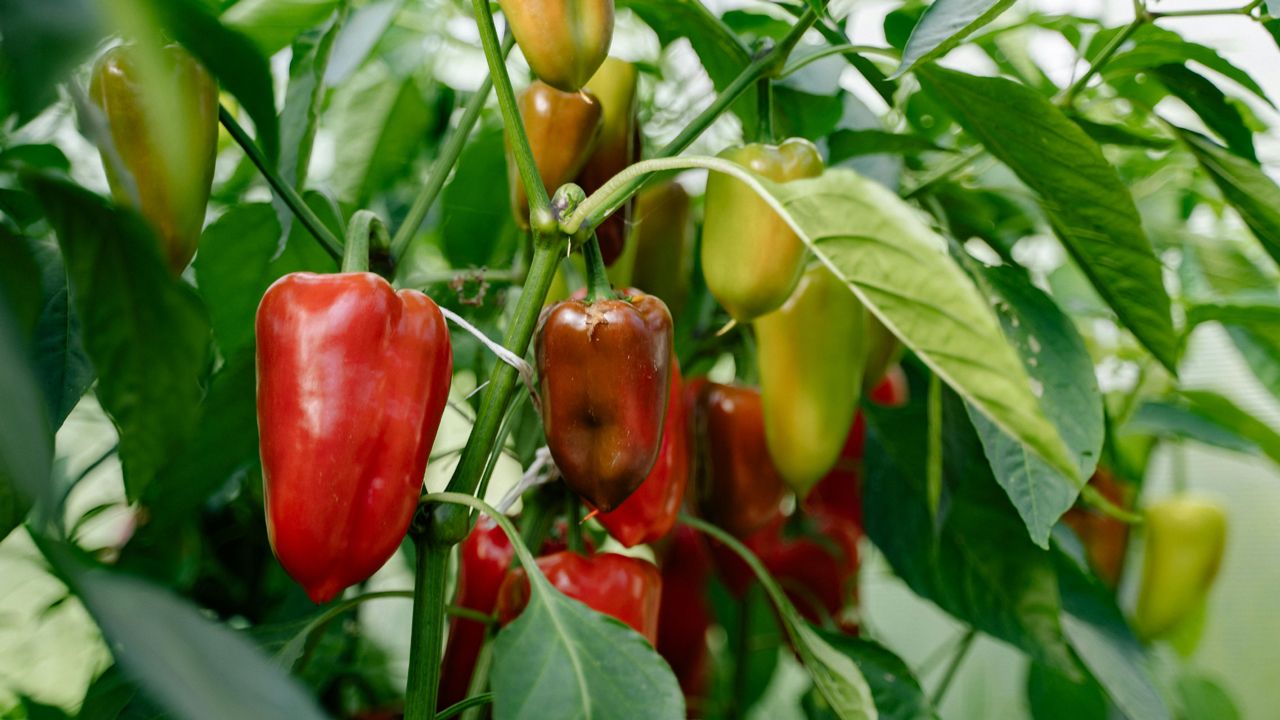
Fall is often overlooked, but it’s one of the most productive planting seasons of the year.
What to Plant:
Use the fall planting guide for Nebraska to focus on hardy perennials, spring-blooming bulbs like tulips and daffodils, and cool-weather vegetables such as garlic, kale, and carrots. These can go in once temperatures drop and the soil cools down.
Why It Works:
Planting in fall encourages strong root development while the soil is still warm and moisture levels are more stable. Plus, less weed pressure and fewer pests make it a more relaxing time to be in the garden.
Winter Prep:
As the season winds down, cut back perennials, clean up spent annuals, and mulch garden beds to protect plant roots through the freeze. Drain hoses and bring tender potted plants indoors before the first hard frost.
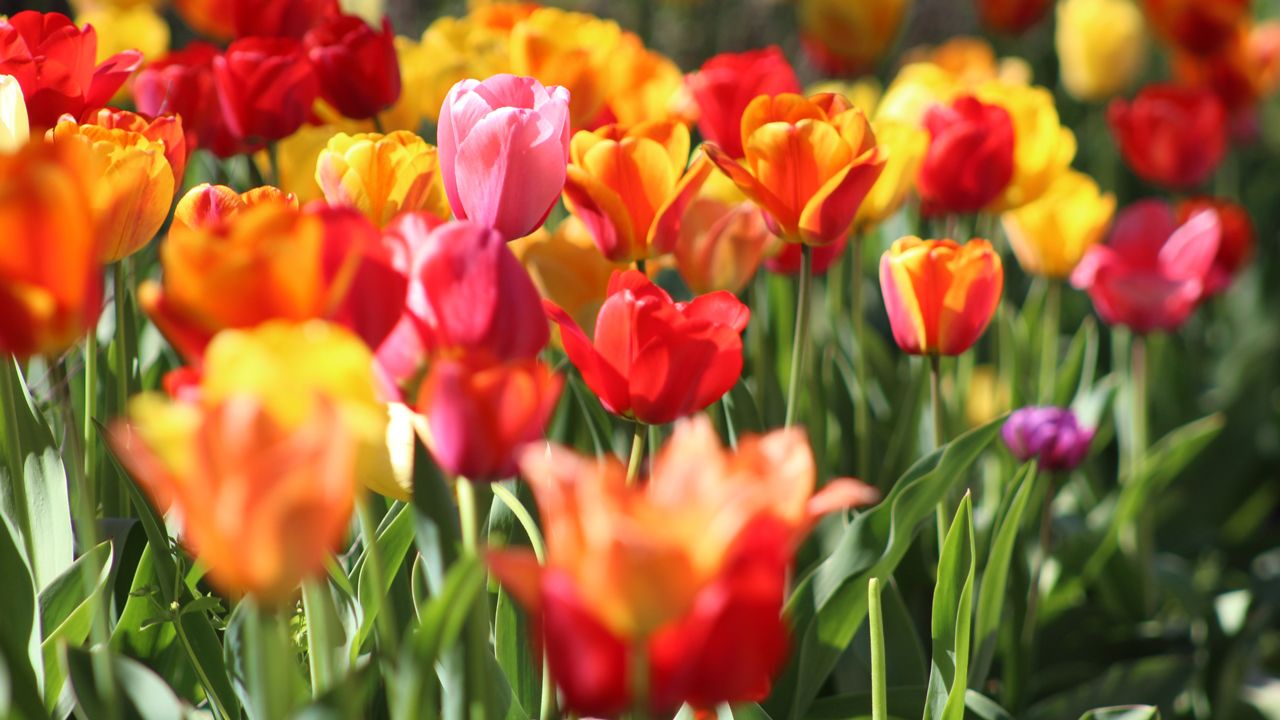
Just because it’s cold outside doesn’t mean the gardening stops.
Plan Ahead:
Winter is the perfect time to research, dream, and plan next year’s garden layout. Consider crop rotation, native plant additions, or new pollinator-friendly designs. Order seeds early to avoid spring backorders.
Grow Indoors:
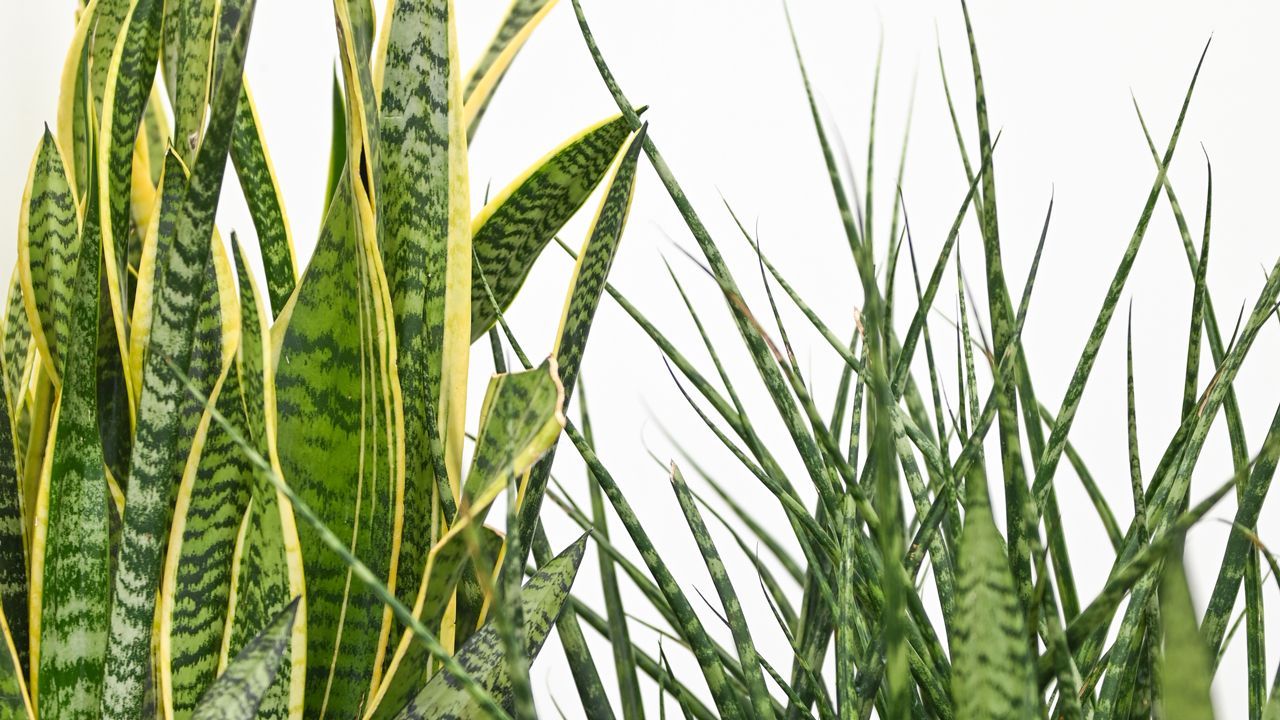
Bring the outside in with indoor favorites like snake plant, philodendron, or ZZ plant. Native plants in Omaha don’t thrive indoors, but these adaptable houseplants can brighten up your space and clean your air through the colder months.
Indoor Plant Care:
Keep your indoor garden healthy with bright, indirect light, consistent humidity, and well-draining soil. Avoid overwatering – less light means slower growth.
There’s no substitute for local know-how. Here’s why working with a neighborhood garden center like Mulhalls makes all the difference.
Expertise You Can Trust:
Our team knows Omaha’s seasons inside and out. We offer plant recommendations based on firsthand experience – not generic advice.
Plants that Thrive Here:
Big box stores can carry plants that aren’t right for our region. We carefully curate selections suited to our climate – from native grasses to heat-tolerant annuals.
Community Impact:
When you shop local, you support jobs, neighborhoods, and sustainable growing practices. You also help us keep Omaha blooming – one garden at a time.
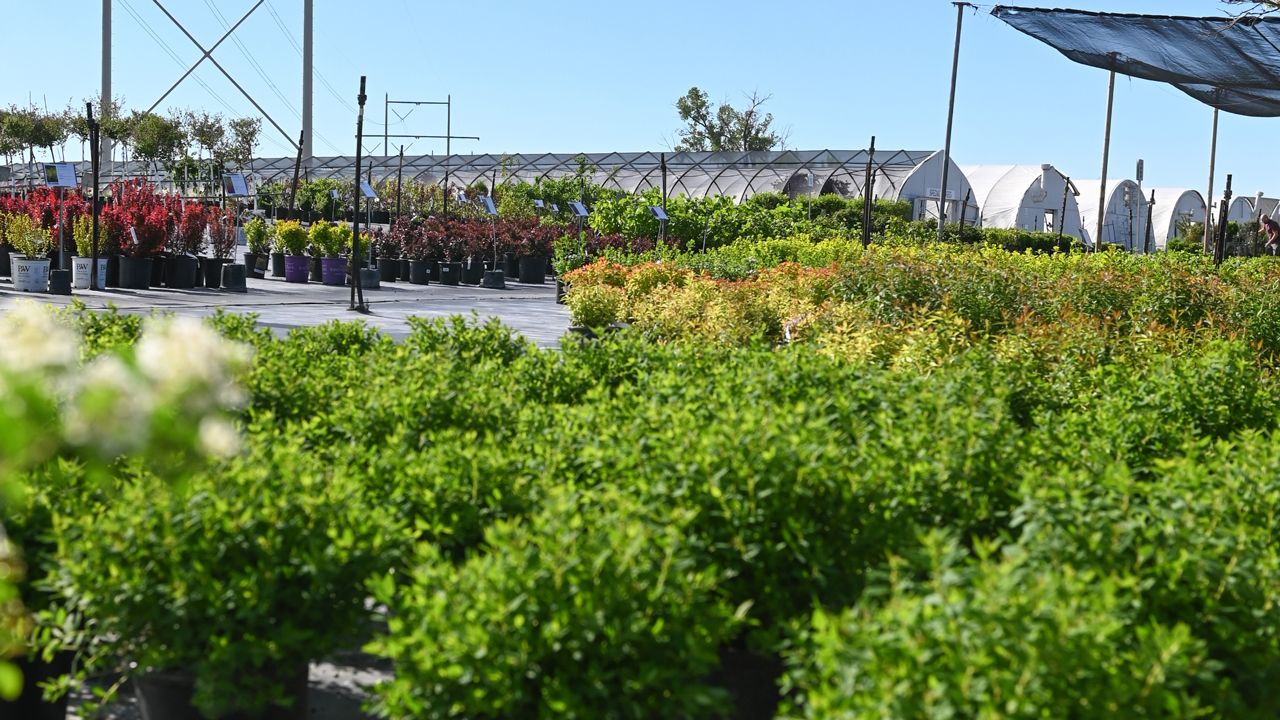
Explore our garden center in Omaha to see what’s growing now.
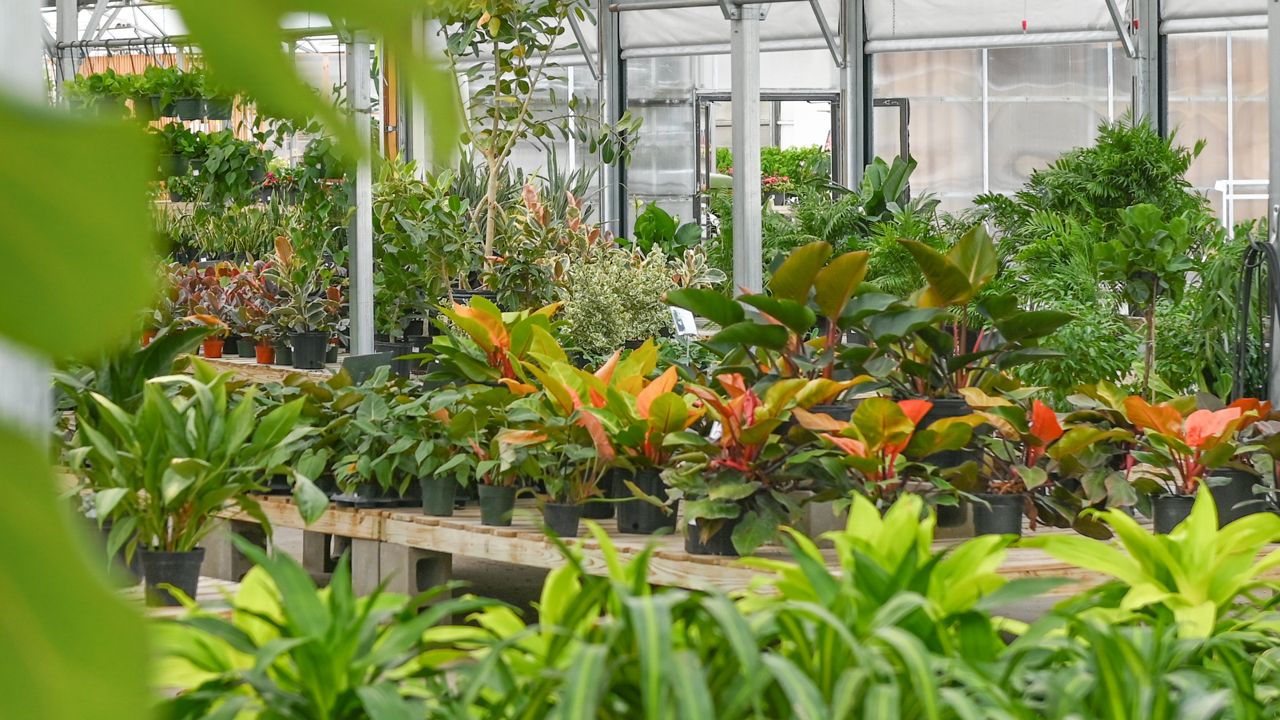
Seasonal gardening success starts with knowing what to plant – and when. Whether you’re sowing seeds in spring, watering in the summer, planting bulbs in fall, or caring for indoor plants in winter, each season offers a new opportunity to grow.
And if you’re ever unsure what to do next, we’re here to help.
Visit Mulhalls in Omaha or browse online to start planning your next seasonal garden. Get expert advice, premium plants, and personalized recommendations – right here in your neighborhood.
1. When is the best time to start planting in Omaha?
It depends on the plant. Cool-season veggies and hardy perennials can be planted in early spring. Wait until after the last frost – around mid to late April – for tender annuals and warm-season crops.
2. What planting zone is Omaha in?
Omaha falls in USDA Hardiness Zone 5b. That means our average minimum winter temperature is between -15 and -10 degrees Fahrenheit.
3. Can I plant in the fall in Nebraska?
Yes! Fall is an ideal time to plant perennials, bulbs, trees, and cool-season veggies. The soil is still warm, which encourages root growth before winter.
4. What native plants grow well in Omaha?
Native options include coneflowers, milkweed, little bluestem, black-eyed Susans, and prairie dropseed. These plants are well-adapted to local conditions and help support pollinators.
5. Where can I find expert seasonal planting advice in Omaha?
Stop by Mulhalls Garden + Home in Omaha. Our team is always happy to share tips, seasonal calendars, and plant picks that work best in our climate.